Delving into the realm of Forklift Accident Attorney: Liability in High-Value Warehouse Injury Cases, this exploration promises a deep dive into the intricate world of legal implications surrounding forklift accidents in warehouses. Get ready for a journey filled with valuable insights and crucial information.
As we navigate through the different facets of this topic, you will uncover a wealth of knowledge that sheds light on the complexities of forklift accidents and the legal responsibilities entwined with them.
Understanding Forklift Accidents
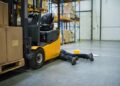
Forklift accidents in warehouses can have serious consequences due to the high-value nature of the goods being handled. Understanding the common causes of these accidents, the associated risks, and the impact on warehouse operations is crucial for maintaining a safe working environment.
Common Causes of Forklift Accidents
- Operator error, such as speeding, improper turning, or distracted driving.
- Lack of proper training for forklift operators.
- Unsafe working conditions, such as cluttered aisles or poor visibility.
- Mechanical failures or lack of maintenance of forklifts.
Potential Risks in High-Value Warehouse Settings
- The potential for costly damage to high-value goods in case of an accident.
- Increased risk of injuries to workers due to the weight and size of the goods being handled.
- Reputational damage to the company and potential legal liabilities.
Statistics on Forklift Accidents
According to OSHA, forklift accidents account for about 85 fatalities and 34,900 serious injuries each year in the United States.
These accidents also result in significant financial losses for companies, with an estimated $135 million spent on forklift-related injuries annually.
Legal Implications for Employers
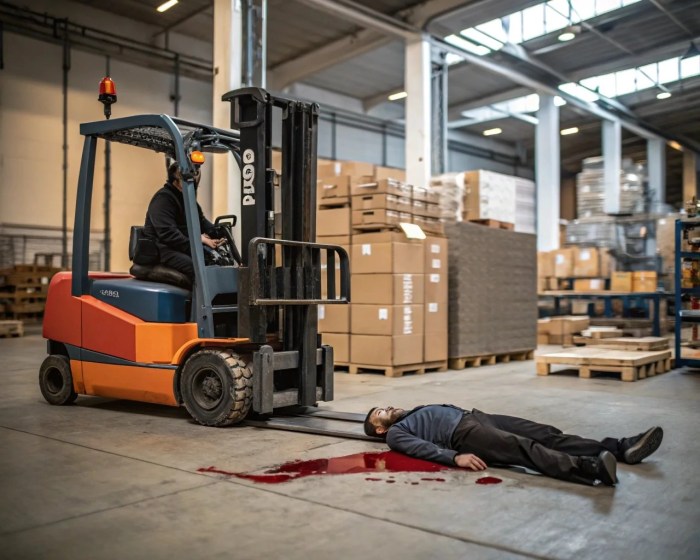
Employers have a crucial role in ensuring a safe working environment for forklift operators to prevent accidents and injuries. Negligence on the part of the employer can lead to serious liability in forklift accident cases, exposing them to legal consequences.
Let's delve into the legal responsibilities of employers and how their actions can impact the outcome of forklift accident cases.
Legal Responsibilities of Employers
- Providing proper training: Employers are responsible for ensuring that forklift operators receive adequate training on safe operating procedures, maintenance protocols, and emergency protocols.
- Maintaining equipment: Employers must regularly inspect and maintain forklifts to ensure they are in optimal working condition, reducing the risk of mechanical failures.
- Enforcing safety regulations: Employers should enforce safety regulations and guidelines to create a safe working environment, including proper signage, designated pathways, and safety barriers.
Examples of Court Cases
In a recent court case, an employer was found liable for a forklift accident that resulted in serious injuries to an operator. The employer failed to provide proper training and maintenance for the forklift, leading to the accident. As a result, the court held the employer accountable for negligence.
In another case, an employer was held liable for a forklift accident in a warehouse due to inadequate safety measures. The court determined that the employer's negligence in ensuring a safe working environment directly contributed to the accident and subsequent injuries suffered by the operator.
Role of Forklift Accident Attorneys
When it comes to handling high-value warehouse injury cases involving forklift accidents, the role of forklift accident attorneys is crucial in ensuring that victims receive the legal representation they deserve. These specialized attorneys offer a range of services tailored to navigate the complexities of such cases and advocate for the rights of those affected.
Services Provided by Forklift Accident Attorneys
- Investigating the Accident: Forklift accident attorneys conduct thorough investigations to determine the cause of the accident and gather evidence to support the victim's claim.
- Negotiating with Insurance Companies: These attorneys are experienced in dealing with insurance companies to ensure that victims receive fair compensation for their injuries.
- Litigation Representation: In cases where a settlement cannot be reached, forklift accident attorneys are prepared to represent their clients in court to seek justice and appropriate damages.
Importance of Hiring a Specialized Attorney
It is essential to hire a specialized forklift accident attorney with experience in handling such cases due to the unique legal considerations involved. These attorneys understand the nuances of forklift accident litigation, enabling them to provide effective representation and maximize the chances of a successful outcome for the victim.
Tips for Finding a Reliable Forklift Accident Attorney
- Seek Recommendations: Ask for referrals from trusted sources, such as other legal professionals or individuals who have been in similar situations.
- Experience and Expertise: Look for an attorney with a proven track record in handling forklift accident cases and a deep understanding of relevant laws and regulations.
- Communication and Trust: Choose an attorney who communicates effectively, listens to your concerns, and fosters a relationship of trust throughout the legal process.
Compensation and Damages
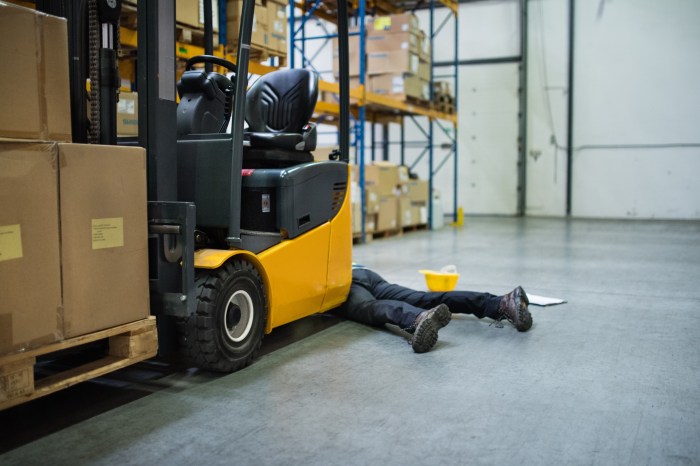
In cases of forklift accidents in high-value warehouse settings, victims may be entitled to various types of compensation for the injuries sustained. Understanding the factors that determine the value of a forklift accident injury case is crucial in seeking appropriate damages and negotiating settlements.
Types of Compensation
- Medical Expenses: Victims can seek compensation for medical bills related to the treatment of injuries from the forklift accident.
- Lost Wages: Compensation may include reimbursement for lost wages due to time off work for recovery.
- Pain and Suffering: Victims can receive compensation for physical pain and emotional distress caused by the accident.
- Disability or Disfigurement: In cases of permanent injuries, victims may be entitled to compensation for disability or disfigurement.
- Loss of Enjoyment of Life: Compensation can be sought for the loss of ability to partake in activities previously enjoyed due to the accident.
Factors Determining Case Value
- Severity of Injuries: The extent of injuries sustained in the forklift accident will heavily influence the value of the case.
- Medical Treatment: The cost of medical treatment, including future medical needs, will be a significant factor in determining compensation.
- Lost Income: The amount of income lost due to time off work and any future earning capacity impact will be considered in the case value.
- Negligence: If employer negligence or a third party's negligence contributed to the accident, it can impact the value of the case.
- Emotional Distress: The emotional impact and mental suffering experienced by the victim can also affect the case value.
Negotiating Settlements and Seeking Damages
- Legal Representation: Hiring a skilled forklift accident attorney is crucial in negotiating settlements with insurance companies or pursuing damages through legal action.
- Evidence Collection: Gathering evidence such as medical records, witness statements, and accident reports is essential in building a strong case for compensation.
- Settlement Offers: Evaluating settlement offers and determining if they adequately cover the damages incurred is a key part of the negotiation process.
- Litigation: In cases where a fair settlement cannot be reached, pursuing damages through litigation may be necessary to seek appropriate compensation for injuries.
Final Summary
In conclusion, the intricate dance between liability and high-value warehouse injuries is a multifaceted issue that requires careful consideration and expert guidance. With the right legal support, navigating through the aftermath of forklift accidents can lead to just outcomes for all parties involved.
FAQ Overview
What are the common causes of forklift accidents in warehouses?
Common causes include lack of proper training, mechanical failures, and unsafe operating conditions.
How can negligence by an employer result in liability in forklift accident cases?
If an employer fails to provide adequate safety measures or training, they can be held liable for any accidents that occur due to their negligence.
What types of compensation are available to victims of forklift accidents in high-value warehouse settings?
Compensation may include medical expenses, lost wages, pain and suffering, and in some cases, punitive damages.