Delving into the world of Elevator and Escalator Malfunction: Liability for Building Maintenance Failures, we uncover the intricate web of responsibilities and consequences that come with inadequate upkeep. Brace yourself for a journey through the realm of building maintenance gone awry.
Exploring the causes, legal aspects, and importance of regular inspections in maintaining the smooth operation of elevators and escalators is essential for understanding the gravity of this issue.
Causes of Elevator and Escalator Malfunction
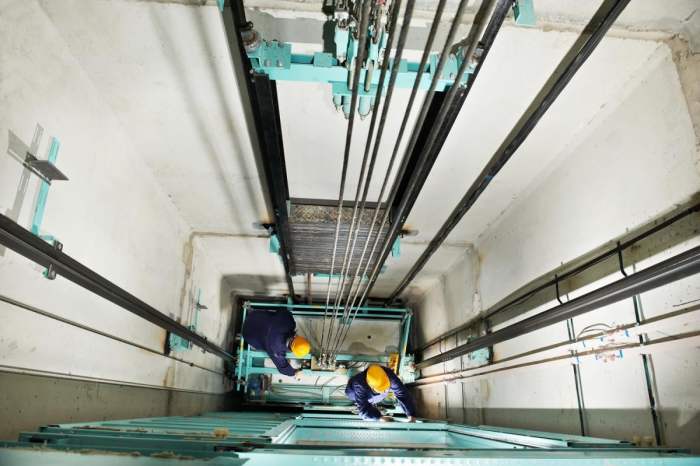
Elevators and escalators are essential components of modern buildings, providing efficient vertical transportation for occupants and visitors. However, several factors can lead to malfunctions in these systems, affecting the safety and convenience of users.Poor maintenance is one of the primary reasons for elevator and escalator failures in buildings.
Regular maintenance checks and servicing are crucial to ensure that these systems operate smoothly and reliably. When maintenance is neglected or delayed, components can wear out, leading to malfunctions such as sudden stops, door issues, or system breakdowns.Another common cause of elevator and escalator malfunction is the lack of proper lubrication and cleaning.
Over time, debris, dust, and other contaminants can accumulate in the moving parts of these systems, causing friction and wear. Without regular cleaning and lubrication, the components can deteriorate faster, resulting in performance issues and breakdowns.Furthermore, outdated or faulty components can also contribute to elevator and escalator malfunctions.
As buildings age, the original equipment may become obsolete or inefficient, leading to increased risks of failures. In some cases, manufacturers may discontinue certain parts, making it challenging to find replacements and prolonging downtime for repairs.Inadequate training and supervision of maintenance personnel can also impact the functioning of elevators and escalators.
Improper handling of maintenance tasks or lack of awareness about potential issues can result in oversight or mistakes that compromise the safety and reliability of these systems.Overall, the impact of poor maintenance on elevators and escalators can be significant, affecting the safety, efficiency, and overall usability of buildings.
It is crucial for building owners and managers to prioritize regular maintenance and inspections to prevent malfunctions and ensure the smooth operation of these essential vertical transportation systems.
Legal Responsibilities and Liability
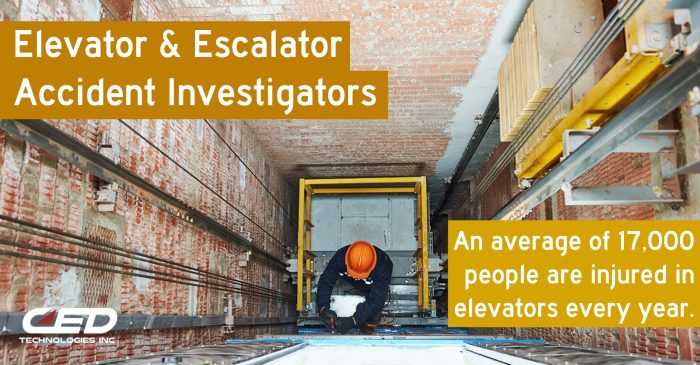
When it comes to maintaining elevators and escalators, building owners have legal obligations to ensure the safety and proper functioning of these transportation systems within their premises. This responsibility includes regular inspections, maintenance, and prompt repairs to address any issues that may arise.
Liability Issues in Maintenance Failures
- Building owners can be held liable for accidents caused by elevator and escalator malfunctions if it is proven that they were negligent in fulfilling their maintenance duties.
- Failure to conduct routine inspections, address reported problems promptly, or follow safety regulations can result in legal consequences for building owners.
- In cases where maintenance failures lead to injuries or property damage, affected individuals may seek compensation through legal action against the building owner.
Legal Cases Holding Building Owners Responsible
- In the case of Smith v. Building Management Co., the court ruled in favor of the plaintiff who was injured due to an escalator malfunction caused by poor maintenance practices by the building owner.
- Johnson v. Property Management Inc. set a precedent where a building owner was found liable for an elevator accident resulting from lack of regular inspections and maintenance, leading to serious injuries to a passenger.
- Recent rulings highlight the importance of building owners taking their legal responsibilities seriously to avoid costly lawsuits and ensure the safety of individuals using elevators and escalators on their premises.
Importance of Regular Inspections
Regular inspections play a crucial role in ensuring the safety and functionality of elevators and escalators in buildings. By conducting routine inspections, building owners and maintenance staff can identify potential issues early on, preventing costly repairs and ensuring the smooth operation of these transportation systems.
Preventive Maintenance vs. Reactive Maintenance
- Preventive Maintenance: Scheduling regular inspections and maintenance tasks proactively helps in identifying and addressing minor issues before they escalate into major problems. This approach can significantly reduce the risk of sudden malfunctions and breakdowns, ensuring the safety of occupants.
- Reactive Maintenance: Waiting for issues to arise before taking action can lead to unexpected downtime, inconvenience to users, and higher repair costs. Reactive maintenance is often more costly in the long run compared to preventive maintenance.
Best Practices for Scheduling and Conducting Inspections
- Establish a Regular Inspection Schedule: Create a maintenance plan that includes regular inspection intervals based on industry standards and manufacturer recommendations.
- Thorough Examination: During inspections, ensure that all components of the elevator or escalator are checked, including safety features, mechanical parts, and electrical systems.
- Documentation: Maintain detailed records of inspections, findings, and maintenance activities to track the condition of the equipment over time and demonstrate compliance with safety regulations.
- Training and Certification: Ensure that maintenance personnel are properly trained and certified to perform inspections and maintenance tasks according to industry standards.
Safety Regulations and Compliance
When it comes to elevator and escalator maintenance, safety regulations play a crucial role in ensuring the well-being of building occupants. These regulations are put in place to prevent accidents, malfunctions, and ensure proper functioning of these vertical transportation systems.
Safety Regulations for Elevators and Escalators
- Regular Inspections: Building maintenance teams must conduct regular inspections as per the guidelines set by regulatory authorities. This includes checking for any signs of wear and tear, testing emergency features, and ensuring overall compliance.
- Maintenance Schedule: Following a strict maintenance schedule is essential to prevent unexpected breakdowns or malfunctions. This includes routine servicing, lubrication of moving parts, and timely replacement of worn-out components.
- Emergency Preparedness: Building owners and maintenance teams should have proper emergency protocols in place in case of elevator or escalator failures. This includes regular drills, clear evacuation procedures, and easy access to emergency stop buttons.
Consequences of Non-Compliance
- Legal Penalties: Failure to comply with safety regulations can result in hefty fines, lawsuits, and even criminal charges in case of accidents leading to injuries or fatalities.
- Loss of Reputation: Building owners and maintenance teams may face reputational damage if they are found to be negligent in maintaining elevators and escalators according to safety standards. This can impact tenant retention and overall trust in the property.
- Risk to Occupant Safety: Non-compliance with safety regulations puts occupants at risk of accidents, injuries, or even death. This not only affects the individuals directly involved but also raises concerns among other building occupants.
Ensuring Compliance with Regulations
- Training and Education: Building maintenance teams should undergo regular training sessions to stay updated on safety regulations and best practices for elevator and escalator maintenance.
- Documentation and Record-Keeping: Keeping detailed records of inspections, maintenance activities, and repairs helps demonstrate compliance with safety regulations in case of audits or inspections.
- Regular Audits: Conducting internal audits or hiring third-party inspectors to assess compliance with safety regulations can help identify any gaps or areas for improvement in maintenance practices.
Conclusive Thoughts
As we draw the curtains on our exploration of Elevator and Escalator Malfunction: Liability for Building Maintenance Failures, we leave you with a profound reflection on the crucial role of proper maintenance in ensuring the safety and functionality of these vertical transport systems.
Dive deeper into the world of building maintenance and liability with a newfound perspective.
Commonly Asked Questions
What are the common reasons for elevator and escalator failures?
Common reasons include mechanical issues, electrical malfunctions, and lack of regular maintenance.
What legal obligations do building owners have in maintaining elevators and escalators?
Building owners are required to ensure proper maintenance, regular inspections, and compliance with safety regulations.
How can building maintenance teams ensure compliance with safety regulations?
Building maintenance teams can ensure compliance by conducting routine inspections, keeping maintenance records, and promptly addressing any issues.